0. Introduction to NFC and NTAG chips, such as the NTAG215 and NTAG216
What is NFC?
NFC (Near Field Communication) is a short-range wireless communication technology that allows devices to exchange data when they are brought within a few centimeters of each other. It is commonly used for contactless payments, access control, and data sharing between smartphones and NFC tags.
Common NTAGs
NTAG 213 (144 bytes): This variant is less common due to its small storage size. Often, it does not provide enough memory for common applications.
NTAG215 (544 bytes): Widely used for consumer goods, product authentication, and popular for creating custom, reprogrammable Nintendo Amiibo figures due to its increased memory. We are customizing these at FenCon 21.
NTAG216 (888 bytes): Has the greatest number of bytes out of the 3 chips. Can be used for all sorts of applications without having to worry about limited storage space. We customized and gave these out at the Sci Tech MakerFaire
Frequency Used by NTAG213/215/216
NTAG chips/tags operate at a frequency of 13.56 MHz, which is the standard frequency for NFC communication worldwide. This frequency enables fast and secure data transfer over very short distances.
Tips for Safely Using NTAG216 Tags for Custom “Tap on Phone” Actions
- Use trusted NFC programming apps like NFC Tools or NXP TagWriter.
- Program only non-sensitive information or URLs that use HTTPS to ensure secure connections.
- Avoid storing personal or confidential data on the tags.
- Test the programmed tags on your own devices before sharing.
- Inform users about what the tag does to avoid unexpected behavior.
By following these guidelines, you can create reliable and secure “tap on phone” experiences that provide useful information or automate simple tasks.
Comprehensive How-To Guide
Program NTAG216 NFC Tags on an Phone (Using Free Software) (Works for both iPhone and Android)
- Check That the Phone Supports NFC
Most modern phones do, but it’s worth confirming.
Modern iPhones (iPhone 7 and later) support NFC tag reading and writing with iOS 13 and above.
How to check: Open Settings Search for “NFC” If you see a toggle for NFC, turn it ON If NFC is missing, the phone cannot program tags. - Download a Free NFC Programming App (In this tutorial we will be using NFC Tools)
Three excellent free apps support NTAG216:
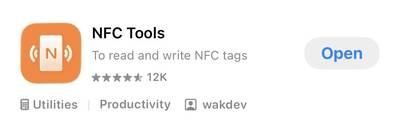
Option A — NFC Tools (Free, Easy, Beginner-Friendly) Available on App Store and Google Play
Supports reading, writing, copying, erasing, locking NTAG216
Very intuitive for first-time users
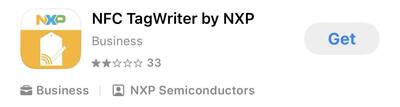
Option B — NXP TagWriter (Free, Made by the NTAG Manufacturer)
Also free on Google Play and App Store
Extremely reliable for NTAG203/213/215/216
Great for writing URLs, text, WiFi configs, business cards
Either app works perfectly for NTAG216.
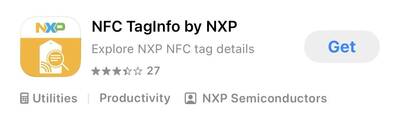
Option C - NXP TagInfo
Available on the App Store Developed by NXP, the manufacturer of NTAG chips Provides detailed tag information and basic writing capabilities Shortcuts App (Built-in) Use Apple’s built-in Shortcuts app to create NFC automation Program tags to trigger custom shortcuts that can display information, open apps, or perform tasks Requires iOS 13 or later and iPhone XS or newer for writing capabilities
- Prepare Your NTAG216 Tags
NTAG216 tags are:
NFC Forum Type 2
888 bytes usable memory
Fully writable and rewritable until locked
Make sure your tags are blank or not locked.


How to Read Data from an NTAG216 Tag (Using NFC Tools)
A. Open NFC Tools
 Tap Read

 Tap the NTAG to the Back of your phone
 !Tip for Tapping!: If you have an iPhone, make sure to try tapping the top left
 corner of your phone to the middle of the NTAG.
 Other methods of tapping don't work for me and may not work for you.
How to Write Data to an NTAG216 Tag (Using NFC Tools)
A. Open NFC Tools
 Tap Write

 Tap Add a record
B. Choose what you want to write
 Examples:

 Digital Business Card

 Contact Information

 Quick access website

 Email

 WiFi network

 App launch

 Geolocation
C. Add your content
 Type the text or paste the URL
 Tap OK
D. Write to the tag
 Tap Write
 Hold the back of your phone against the NFC tag
 Wait for the confirmation message: “Write successful”
 If it fails, lift the phone and try again—alignment matters.
How to Erase or Format an NTAG216 Tag
In NFC Tools:
 Go to Other
 Choose Erase tag or Format tag
 This removes all NDEF records so you can start fresh.
How to Lock an NTAG216 Tag (Optional but Permanent)
Locking prevents further edits.
In NFC Tools:
 Go to Other
 Tap Lock tag
 Confirm
Warning: Locking is permanent on NTAG216. You cannot unlock it later.
Advanced Programming (Optional)
If you want deeper control—full memory dumps, APDU commands, UID-changing magic cards, etc.—you can use:
Troubleshooting Tips
Tag won’t write?
- Ensure NFC is ON
- Move the tag slowly around the back of the phone. Try the corners of the phone as well. Mine only works if the top-left corner of the phone is touching the middle of the NTAG.
- Remove thick cases or metal plates
- Make sure the tag is NTAG216 (not Mifare Classic)
Tag writes but won’t trigger actions?
- Some actions (like toggling Bluetooth) require the NFC Tools: Tasks companion app
- URLs must start with https:
- Some phones restrict automation unless the screen is unlocked
Printable Mini-Guide (Shareable)
- Turn on NFC in Settings.
- Install “NFC Tools” from Google Play.
- Open the app → Write → Add a record.
- Choose Text/URL/etc.
- Tap Write → Hold phone to tag.
- Wait for “Write successful.”
- Use Other → Erase/Format/Lock as needed.